The Important Facts Regarding Outboard Motors and Their Influence On Boating
Outboard motors are essential in the domain name of boating. They provide vital power and maneuverability for a range of boat. The choice in between two-stroke and four-stroke versions influences performance and environmental influence. As technology advances, so do the alternatives readily available to customers, including electrical motors. Recognizing these dynamics discloses deeper ramifications for the boating market. What does this mean for the future of leisure boating and the atmosphere?
Recognizing Outboard Motors: A Brief Overview
Outboard electric motors are crucial parts of modern-day boating, giving power and ability to move to a large range of watercraft. These flexible engines are installed externally on the transom, permitting simple installment and upkeep. outboard motors. They operate by incorporating an engine, a transmission, and a prop right into a single unit, making them appropriate for different applications, from fishing boats to leisure crafts
Created for efficiency, outboard motors been available in various arrangements, consisting of two-stroke and four-stroke engines, each offering unique advantages concerning fuel consumption and emissions. Their mobile nature allows sailors to quickly eliminate or change them, enhancing the versatility of boat usage. Outboard motors likewise contribute to enhanced handling, allowing vessels to navigate limited rooms and adjust speed rapidly. In general, they stand for a considerable innovation in boating modern technology, making water travel even more easily accessible and satisfying for fanatics and laid-back users alike.
Sorts Of Outboard Motors: Choosing the Right One
Picking the appropriate outboard electric motor is essential for optimizing boating experiences, as various types accommodate different requirements and choices. Outboard motors can be classified mainly into four-stroke and two-stroke engines. Two-stroke electric motors are commonly lighter and provide greater power-to-weight proportions, making them appropriate for smaller watercrafts and quick maneuvers. On the other hand, four-stroke motors are understood for their fuel efficiency and reduced exhausts, appealing to environmentally aware seafarers and those who prioritize longer expeditions.
Furthermore, outboard motors differ in horse power, ranging from tiny portable engines ideal for dinghies to powerful systems designed for bigger vessels. Electric outboards are likewise obtaining popularity, supplying peaceful operation and reduced maintenance. Ultimately, the option of an outboard electric motor must straighten with the kind of boating activities planned, the dimension of the vessel, and individual preferences for efficiency, performance, and ecological effect. Making an educated choice is important for improving general boating contentment.
Benefits of Outboard Motors for Boaters
Light-weight and Mobile Design
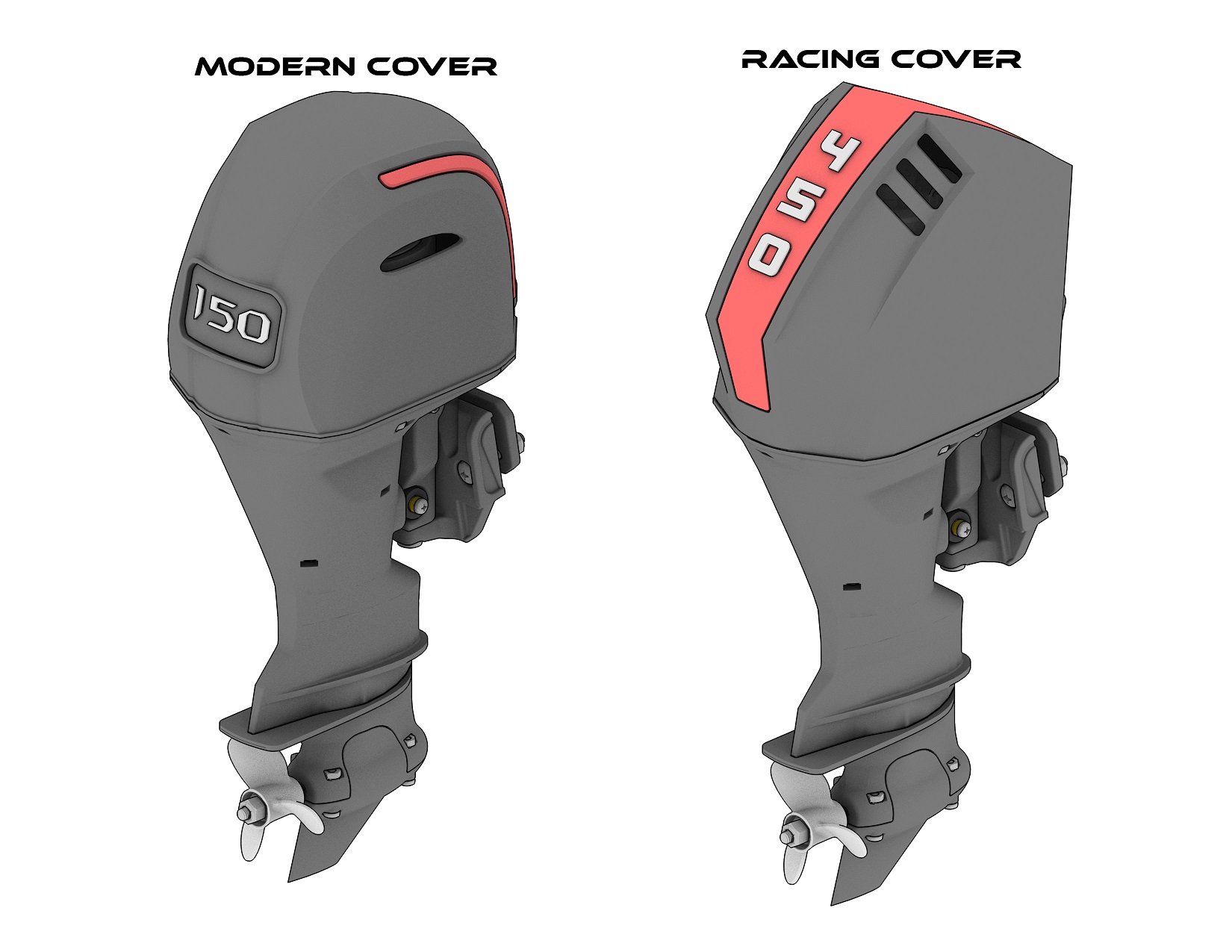
When considering the benefits of boating, the mobile and lightweight layout of outboard electric motors attracts attention as a significant benefit for enthusiasts. These electric motors commonly consider less than inboard choices, making them simpler to handle and carry. Their portable size permits for simple installment on different watercraft types, enhancing versatility. Boaters can easily save and eliminate outboard electric motors, which is specifically beneficial for those with minimal space or those that need to safeguard their devices when not being used. This mobility also helps with quick modifications or repair work on the water. Eventually, the light-weight nature of outboard electric motors adds to a much more reliable and pleasurable boating experience, satisfying both informal and major boaters alike.
Easy Upkeep and Repairs
While many sailors value the performance and versatility of outboard electric motors, the ease of upkeep and fixings is an additional compelling benefit. Outboard motors are made with availability in mind, allowing sailors to do routine checks and solutions without customized tools. Usual upkeep jobs, such as altering the oil or changing the spark plugs, can usually be completed in a brief period, reducing downtime. In enhancement, the modular layout of lots of outboard engines enables fast substitute of components, which can decrease repair costs and time. This simple approach to maintenance promotes a better feeling of freedom amongst seafarers, as they can manage small issues themselves. Ultimately, the simplicity of maintenance adds to a more pleasurable and hassle-free boating experience.
Versatile Power Options
Among the considerable advantages of outboard electric motors is their versatile power choices, which accommodate a large range of boating needs. Seafarers can select from numerous horsepower scores, enabling them to pick a motor that matches their specific vessel dimension and intended usage, whether for angling, leisure travelling, or water sports. Outboard motors are readily available in four-stroke and two-stroke configurations, providing options for performance and efficiency. Additionally, developments in technology have led to even more fuel-efficient and eco pleasant models that reduce exhausts. This adaptability allows boaters to maximize their experiences on the water, ensuring they have the appropriate power for various conditions and tasks. Ultimately, the flexibility of outboard electric motors improves the overall pleasure of boating.
The Role of Outboard Motors in Recreational Boating
Outboard electric motors play a crucial role in boosting the leisure boating experience by offering countless benefits, such as transportability and convenience of use. Correct maintenance and care are vital to guarantee peak performance and long life of these electric motors. Recognizing these facets can significantly benefit sailors looking for dependability and satisfaction on the water.
Benefits of Outboard Motors
Although different electric motor alternatives exist for recreational boating, outboard motors stand out because of their unique benefits. One significant advantage is their lightweight style, which boosts vessel maneuverability and performance. Outboard electric motors are likewise less complicated to set up, permitting for flexibility in boat design and arrangement. Their exterior placement helps with maintenance access, making repair work and solution a lot more simple contrasted to inboard electric motors. Furthermore, outboard electric motors are typically much more fuel-efficient, supplying longer boating adventures without regular refueling. Another advantage is the ability to change or update the motor without replacing the whole watercraft, making certain versatility as technology evolves. Finally, the minimized noise and discharges in modern-day outboard designs add to a much more satisfying and environmentally pleasant boating experience.
Upkeep and Care Tips
Correct maintenance and treatment are necessary for making best use of the life-span and performance of outboard electric motors in entertainment boating. Routine examinations must include checking fuel lines, links, and the prop for indicators of wear or damages. Regular oil modifications, as defined by the manufacturer, help preserve engine effectiveness. Owners should likewise purge the motor with fresh water after each use to eliminate sand, salt, and debris, thereby stopping corrosion. In addition, storing the motor in a dry, secured area throughout the off-season can prevent damages from environmental aspects. It is recommended to consult the proprietor's manual for certain treatment instructions and to consider expert servicing at suggested periods to ensure peak efficiency and integrity.
Environmental Considerations: Discharges and Fuel Efficiency
As the appeal of leisure boating remains to climb, the ecological impact of outboard motors has actually come under increasing examination. Standard two-stroke outboard engines are recognized for their high exhausts, launching unburned gas and harmful contaminants right into the water and ambience. These emissions contribute to air high quality concerns and adversely affect aquatic ecosystems. On the other hand, four-stroke engines use boosted gas efficiency and minimized discharges, making them a much more ecologically pleasant alternative.
Regardless of innovations, lots of sailors stay not aware of the destructive effects related to their option of motor. Gas intake is another vital concern, as ineffective engines can bring about too much fuel usage, further worsening more environmental destruction. The boating community deals with a considerable difficulty: balancing pleasure on the water with the demand for lasting practices. Recognition and education and learning about exhausts and fuel efficiency can assist in mitigating the ecological influence of outboard motors in entertainment boating.
Advancements in Outboard Motor Technology
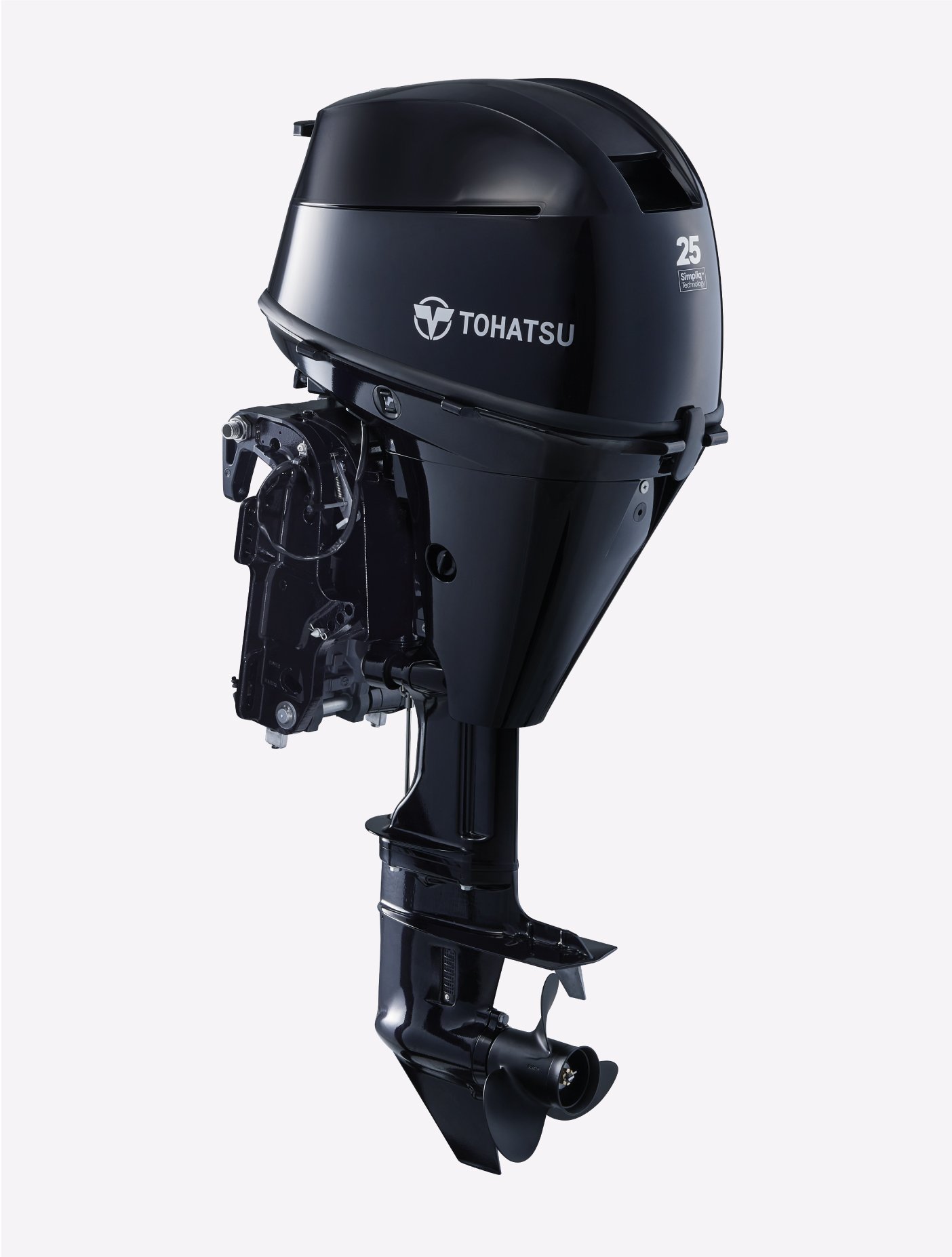
With the ongoing need for cleaner and more reliable boating experiences, advancements in outboard electric motor modern technology have become crucial. Manufacturers are increasingly concentrating on creating light-weight materials basics and progressed design layouts that improve performance while reducing gas usage. The introduction of four-stroke engines has considerably improved gas efficiency and lowered discharges compared to conventional two-stroke designs.
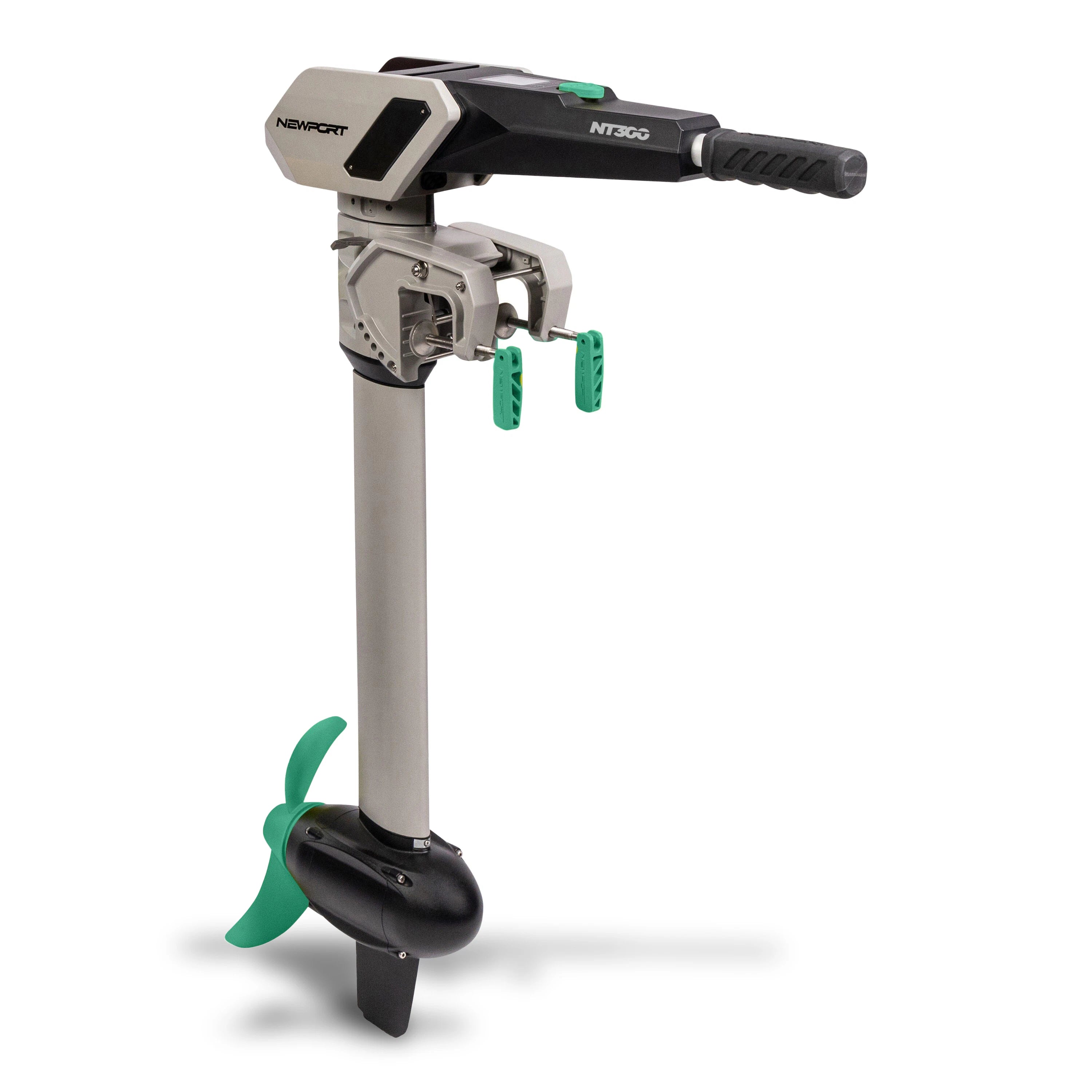
Additionally, the assimilation of electronic innovation in outboard electric motors enables higher control and customization, maximizing engine performance based upon particular boating problems. Electric outboard electric motors are additionally obtaining grip, using silent procedure and no discharges, making them an attractive alternative for environmentally-conscious sailors.
Advancements in propulsion systems, such as jet drives and surface area drives, provide enhanced maneuverability and speed. These advancements not just improve the overall boating experience yet also add to an extra lasting strategy within the market, leading the way for future advancements.
The Future of Outboard Motors and Lasting Boating Practices
While the boating industry remains to progress, the future of outboard electric motors is increasingly intertwined with lasting techniques that prioritize environmental stewardship. Suppliers are responding to expanding worries concerning air pollution by establishing hybrid and electric outboard motors, which substantially lower greenhouse gas discharges and environmental pollution. These ingenious engines make use of advanced battery innovation to boost effectiveness while lessening their eco-friendly footprint.
The adoption of biofuels and cleaner-burning fuels is gaining traction, even more sustaining sustainable boating initiatives. Regulative structures are additionally evolving, urging boaters and producers to welcome eco pleasant solutions. Curriculum advertise liable boating techniques, stressing the relevance of protecting aquatic ecosystems.
As customer need for green innovations rises, the outboard motor sector is likely to witness proceeded investment in r & d - outboard motors. This change toward sustainability not only profits the setting but additionally boosts the overall boating experience for future generations
Frequently Asked Concerns
Just how Do I Keep My Outboard Motor for Longevity?
What Is the Typical Life Expectancy of an Outboard Motor?
The average lifespan of an outboard motor usually ranges from 10 to 20 years, more helpful hints depending upon upkeep, use, and ecological aspects. Routine care can considerably prolong its operational life, profiting boating lovers and entertainment customers alike.
Can I Repair My Outboard Electric Motor Myself?
Yes, an individual can repair their outboard motor themselves, given they possess the required devices, understanding, and experience. Nonetheless, complex problems might need specialist help to ensure proper capability and safety and security throughout procedure.
What Are Usual Outboard Motor Issues to Expect?
Common outboard motor problems consist of fuel concerns, overheating, electric failings, and prop damage. Normal maintenance and evaluations can aid recognize these problems early, ensuring peak performance and long life of the motor during boating tasks.
Just How Do Outboard Motors Affect Watercraft Insurance Fees?
Outboard motors can influence boat insurance policy rates considerably. Greater horsepower engines frequently lead to raised premiums due to better threat, while trusted brand names might yield discounts. Insurance firms evaluate efficiency and maintenance history when establishing expenses.
Ultimately, the selection of an outboard motor should align with the type of boating tasks intended, the dimension of the vessel, and individual choices for performance, effectiveness, and environmental effect. Outboard electric motors play a necessary duty in improving the leisure boating experience by supplying countless benefits, such as mobility and ease of usage. Different motor options exist for recreational boating, outboard motors stand out due to their distinct advantages. Correct maintenance and care are necessary for optimizing the lifespan and efficiency of outboard electric motors in leisure boating. Furthermore, the assimilation of digital technology in outboard motors allows for better control and modification, optimizing engine efficiency based on specific boating conditions.